
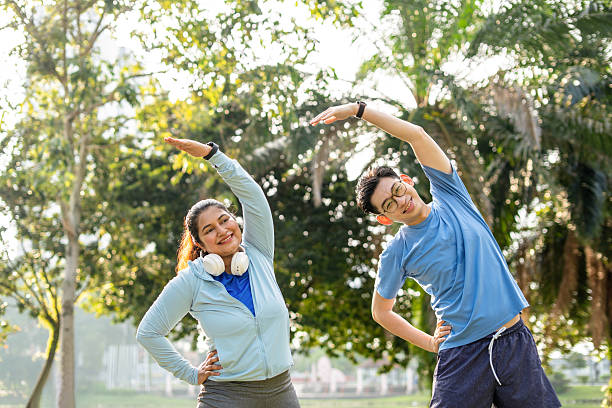
Staying fit doesn’t require an expensive gym membership, fancy machines, or hours of free time. In fact, some of the most effective workouts can be done right in your living room with little to no equipment. Whether you’re working remotely, managing a busy schedule, or simply prefer the comfort of home, building a consistent fitness routine is completely possible.
The key isn’t complexity — it’s consistency. Let’s explore simple, effective exercises you can do at home to improve strength, endurance, flexibility, and overall health.
Why Home Workouts Actually Work
There’s a common misconception that “real” fitness only happens in gyms. That’s not true. Your body responds to resistance, movement, and consistency — not location.
Home workouts offer several advantages:
- Zero commute time
- Flexible scheduling
- No waiting for equipment
- Lower cost
- Greater privacy
When excuses disappear, consistency becomes easier.
1. Bodyweight Squats
If you had to choose one lower-body exercise, squats would be near the top.
Why they’re powerful:
Squats target your glutes, quads, hamstrings, and core — all in one movement. They also improve balance and mobility.
How to do them properly:
- Stand with feet shoulder-width apart.
- Keep your chest lifted.
- Push your hips back as if sitting in a chair.
- Lower until thighs are parallel to the floor.
- Drive through your heels to stand back up.
Beginner tip: Start with 10–15 repetitions for 3 sets.
Advanced option: Add jump squats for cardio intensity.
2. Push-Ups
Push-ups are one of the best upper-body exercises you can do anywhere.
They strengthen:
- Chest
- Shoulders
- Triceps
- Core
Proper form matters:
- Keep your body in a straight line.
- Engage your core.
- Lower until elbows reach about 90 degrees.
If full push-ups are difficult, start with knee push-ups or incline push-ups using a table or countertop.
Try 3 sets of 8–12 reps.
3. Planks
Core strength is the foundation of nearly every movement you make.
Planks strengthen:
- Abdominals
- Lower back
- Shoulders
- Glutes
How to perform:
- Place forearms on the ground.
- Keep elbows under shoulders.
- Maintain a straight line from head to heels.
- Hold for 20–60 seconds.
Planks may look simple, but they’re extremely effective. Over time, increase your hold duration.
4. Lunges
Lunges improve leg strength and stability while also engaging your core.
How to do them:
- Step forward with one leg.
- Lower your body until both knees form 90-degree angles.
- Push back to the starting position.
- Alternate legs.
Do 10 reps per leg for 3 sets.
For more intensity, try reverse lunges or walking lunges across your room.
5. Glute Bridges
Many people sit for hours daily, which weakens glutes and tightens hip flexors.
Glute bridges help reverse that.
Steps:
- Lie on your back with knees bent.
- Feet flat on the floor.
- Lift hips upward by squeezing glutes.
- Pause at the top for 2 seconds.
- Lower slowly.
Aim for 12–15 reps.
6. Mountain Climbers
If you want cardio without running outside, mountain climbers are excellent.
They combine:
- Core strength
- Shoulder stability
- Cardiovascular conditioning
Start in a plank position and drive knees toward your chest alternately at a controlled pace.
Try 30–45 seconds for 3 rounds.
7. Jumping Jacks
Simple but effective.
Jumping jacks increase heart rate quickly and improve coordination. They’re ideal for warming up or adding cardio bursts between strength sets.
Do 30–50 reps to get your blood flowing.
8. Chair Dips
You don’t need gym equipment to train your triceps.
Using a sturdy chair:
- Place hands behind you on the edge.
- Extend legs forward.
- Lower your body by bending elbows.
- Push back up.
Start with 8–12 reps.
9. High Knees
High knees are fantastic for quick cardio bursts.
Run in place while lifting knees toward hip height.
Keep your core engaged and maintain a steady rhythm.
Try 30 seconds at moderate intensity.
10. Stretching and Mobility Work
Fitness isn’t just strength and cardio — mobility matters.
Include stretches like:
- Hamstring stretches
- Shoulder rolls
- Hip openers
- Cat-cow stretch
Stretching improves flexibility, reduces injury risk, and supports recovery.
Spend 5–10 minutes stretching after workouts.
Sample 20-Minute Home Workout
If you’re unsure how to structure these exercises, here’s a simple routine:
Warm-Up (5 minutes):
- Jumping jacks (1 minute)
- High knees (1 minute)
- Arm circles (1 minute)
- Bodyweight squats (1 minute)
- Light stretching (1 minute)
Workout Circuit (Repeat 3 times):
- 12 squats
- 10 push-ups
- 10 lunges per leg
- 30-second plank
- 30 seconds mountain climbers
Cool Down (5 minutes):
- Glute bridges (15 reps)
- Stretch major muscle groups
This takes under 30 minutes but delivers full-body results.
How to Stay Consistent
The hardest part of fitness isn’t the exercises — it’s sticking with them.
Here are practical tips:
- Schedule workouts like appointments.
- Start small (10–15 minutes daily).
- Track progress weekly.
- Focus on how you feel, not just appearance.
- Set realistic goals.
Remember: showing up consistently beats occasional intense workouts.
When to Increase Difficulty
As exercises become easier:
- Increase repetitions
- Add extra sets
- Slow down movements
- Add resistance bands or dumbbells
- Reduce rest time
Progression keeps your body adapting and improving.
The Bigger Picture
Staying fit at home isn’t about perfection. It’s about creating a routine that supports your energy, mental clarity, and long-term health.
Regular exercise can:
- Boost mood
- Improve sleep
- Increase productivity
- Strengthen immunity
- Reduce stress
You don’t need complicated programs. You need commitment and simple movements done consistently.
Final Thoughts
Fitness doesn’t require fancy equipment — it requires action. Even 20 minutes a day can dramatically improve your strength, stamina, and confidence over time.
Start small. Stay consistent. Focus on progress, not perfection.
Your living room can absolutely become your personal gym.