
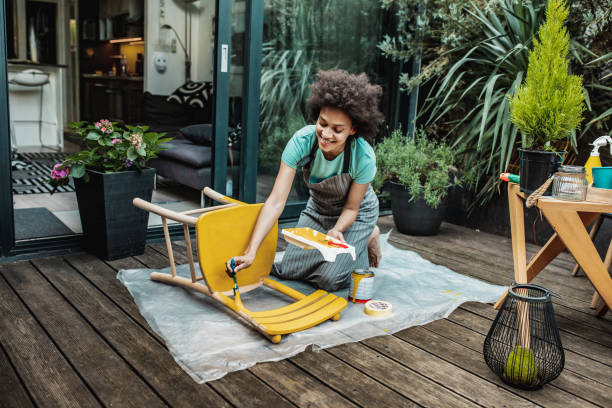
Sustainability is no longer just a buzzword — it’s becoming a practical and necessary part of modern living. As energy costs rise and environmental awareness grows, homeowners are looking for ways to reduce their carbon footprint without sacrificing comfort or style. The good news? You don’t need a full renovation to make your home more eco-friendly. Small, intentional upgrades in every room can make a meaningful difference.
Whether your goal is to lower utility bills, improve indoor air quality, or create a healthier living space, here’s how to make eco-friendly improvements throughout your home.
Why Eco-Friendly Upgrades Matter
Eco-conscious home improvements offer three major benefits:
- Lower energy and water bills
- Improved indoor air quality
- Increased long-term property value
Sustainable homes are increasingly attractive to buyers and renters. But beyond resale value, eco-friendly living simply supports better health and long-term savings.
Living Room Upgrades
1. Switch to LED Lighting
LED bulbs use up to 75% less energy than traditional incandescent bulbs and last significantly longer. Replacing all bulbs in your living room is one of the easiest and most affordable upgrades.
Bonus tip: Choose warm-toned LEDs for a cozy atmosphere while saving energy.
2. Choose Sustainable Furniture
When buying new furniture, look for:
- FSC-certified wood
- Reclaimed or recycled materials
- Low-VOC finishes
- Durable construction
Avoid fast furniture that breaks quickly and ends up in landfills.
3. Use Natural Textiles
Swap synthetic rugs and curtains for natural fibers like:
- Organic cotton
- Wool
- Linen
- Jute
Natural materials are biodegradable and often free from harmful chemicals.
Kitchen Upgrades
The kitchen is one of the most energy-intensive rooms in the house.
1. Install Energy-Efficient Appliances
Look for appliances with high energy ratings. Modern refrigerators, dishwashers, and ovens consume far less energy than older models.
While the upfront cost may be higher, long-term savings are significant.
2. Install a Water-Saving Faucet
Low-flow faucets reduce water waste without sacrificing pressure. This simple swap can significantly reduce household water usage.
3. Reduce Food Waste
Add a compost bin to your kitchen. Composting food scraps reduces landfill waste and can enrich garden soil.
You can also use airtight storage containers to extend the life of fresh produce.
4. Upgrade to Reusable Alternatives
Replace disposable items with reusable options:
- Cloth napkins
- Reusable food wraps
- Glass storage containers
- Metal straws
These small changes reduce daily waste dramatically.
Bedroom Upgrades
Your bedroom should be a healthy, toxin-free space.
1. Choose an Eco-Friendly Mattress
Look for mattresses made from natural latex, organic cotton, or wool. Avoid synthetic materials that release harmful VOCs.
2. Switch to Organic Bedding
Organic sheets and blankets reduce exposure to pesticides and harsh dyes.
Natural fabrics also improve breathability, enhancing sleep quality.
3. Improve Air Quality
Add indoor plants that help filter air, such as:
- Snake plant
- Peace lily
- Spider plant
Plants not only purify air but also create a calming environment.
Bathroom Upgrades
Bathrooms are water-heavy areas, making them ideal for sustainability improvements.
1. Install Low-Flow Showerheads
Modern low-flow showerheads maintain strong pressure while using significantly less water.
2. Upgrade to Dual-Flush Toilets
Dual-flush systems allow you to control water usage depending on need, reducing unnecessary waste.
3. Choose Eco-Friendly Toiletries
Switch to:
- Bamboo toothbrushes
- Plastic-free soap bars
- Refillable shampoo containers
Reducing plastic waste in the bathroom is simple and impactful.
Home Office Upgrades
With remote work common, home offices deserve attention.
1. Energy-Efficient Electronics
Choose laptops and monitors with energy-saving certifications. Turn off electronics completely rather than leaving them on standby.
2. Use Natural Light
Position your desk near windows to reduce reliance on artificial lighting during the day.
3. Go Paperless
Use digital documents whenever possible to reduce paper waste.
Laundry Room Upgrades
Laundry uses significant water and electricity.
1. Cold Water Washing
Washing clothes in cold water saves energy and helps garments last longer.
2. Air Dry When Possible
Air drying reduces electricity use and extends fabric lifespan.
3. Choose Eco-Friendly Detergents
Look for biodegradable, plant-based detergents without harsh chemicals.
Whole-Home Improvements
1. Improve Insulation
Proper insulation reduces heating and cooling costs dramatically. Seal gaps around windows and doors to prevent drafts.
2. Install Smart Thermostats
Smart thermostats optimize heating and cooling based on usage patterns, reducing wasted energy.
3. Consider Solar Panels
While a larger investment, solar panels significantly reduce reliance on grid electricity and lower long-term utility costs.
Small Changes That Add Up
Sustainability doesn’t require perfection. Even small adjustments — like turning off unused lights or reducing water usage — create cumulative impact.
Start with simple swaps:
- Reusable shopping bags
- Refillable cleaning supplies
- Energy-efficient light bulbs
Over time, these habits become second nature.
Financial Benefits of Going Green
Eco-friendly upgrades aren’t just environmentally responsible — they’re financially smart.
Benefits include:
- Lower monthly bills
- Tax incentives (in some regions)
- Increased resale appeal
- Reduced maintenance costs
Energy-efficient homes often command higher property values.
Final Thoughts
Making your home eco-friendly doesn’t require a complete overhaul. By upgrading room by room, you can gradually reduce environmental impact while improving comfort and efficiency.
Focus on:
- Energy efficiency
- Water conservation
- Sustainable materials
- Waste reduction
Small changes lead to meaningful results — both for your home and the planet.