
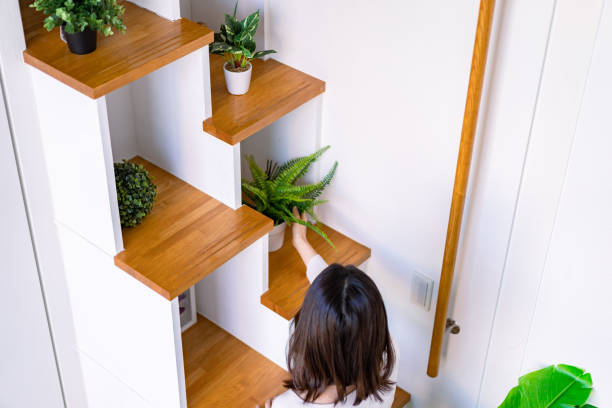
Living in a small home or apartment doesn’t mean sacrificing comfort, style, or functionality. In fact, small spaces often encourage smarter design decisions and more intentional living. When every square foot counts, creativity becomes your greatest asset.
Whether you’re working with a compact studio apartment, a small bedroom, or a cozy living room, the goal is simple: make the space feel larger, more organized, and more efficient without clutter or chaos.
Here’s how to maximize small spaces effectively and beautifully.
1. Start With Smart Layout Planning
Before buying furniture or adding décor, evaluate your layout.
Ask yourself:
- What activities happen in this space?
- Where does natural light enter?
- What areas feel cramped?
- Are there unused vertical spaces?
Sometimes rearranging furniture can dramatically improve flow. Avoid pushing everything against walls automatically. In some cases, floating furniture slightly inward creates better balance.
Function should always guide placement.
2. Choose Multi-Functional Furniture
In small spaces, furniture should work twice as hard.
Look for:
- Sofa beds
- Storage ottomans
- Extendable dining tables
- Fold-down desks
- Murphy beds
- Nesting tables
For example, a coffee table with hidden storage can hold blankets, books, or electronics — reducing visible clutter.
When one piece serves multiple purposes, you reduce the need for additional furniture.
3. Maximize Vertical Space
If you can’t expand outward, go upward.
Install:
- Tall bookshelves
- Wall-mounted shelves
- Vertical cabinets
- Hanging storage racks
Wall space is often underutilized. Floating shelves above desks or beds create storage without occupying floor space.
Ceiling-height shelving also draws the eye upward, making rooms feel taller.
4. Use Light Colors Strategically
Color affects perception of space.
Lighter shades reflect more light and make rooms feel larger. Popular choices include:
- Soft white
- Cream
- Pale gray
- Light beige
This doesn’t mean everything must be white. You can add personality with accent pillows, artwork, or rugs while keeping walls and larger furniture neutral.
5. Incorporate Mirrors
Mirrors visually double space by reflecting light and depth.
Place mirrors:
- Opposite windows
- Behind furniture
- In narrow hallways
Large statement mirrors work especially well in small living rooms or bedrooms.
Mirrors enhance both brightness and openness.
6. Declutter Ruthlessly
Clutter makes small spaces feel even smaller.
Adopt the mindset: if it doesn’t serve a purpose or bring joy, it doesn’t belong.
Tips:
- Limit decorative items
- Store seasonal items elsewhere
- Organize drawers and cabinets regularly
- Avoid overcrowded shelves
Minimal visual clutter creates breathing room.
7. Use Hidden Storage
Hidden storage is your best friend in compact homes.
Consider:
- Under-bed storage containers
- Built-in drawers beneath seating
- Storage benches
- Wall-mounted cabinets
Utilize spaces that often go unused — under stairs, under beds, behind doors.
The less visible clutter you have, the larger the space feels.
8. Keep Furniture Proportional
Oversized furniture overwhelms small rooms.
Choose:
- Slim-profile sofas
- Compact armchairs
- Round tables instead of rectangular ones
- Armless chairs
Furniture with exposed legs creates the illusion of openness because you can see more floor area.
Scale matters more than style in small spaces.
9. Define Zones in Open Layouts
Studio apartments or open floor plans can feel chaotic without defined areas.
Use:
- Area rugs
- Bookshelves as room dividers
- Curtains
- Strategic lighting
Defining zones for sleeping, working, and relaxing creates structure without adding walls.
10. Optimize Lighting
Lighting significantly affects how spacious a room feels.
Layer your lighting:
- Overhead lighting for general brightness
- Task lighting for function
- Accent lighting for ambiance
Avoid relying on one harsh ceiling fixture. Multiple light sources reduce shadows and add dimension.
Natural light should also be maximized — avoid heavy curtains that block sunlight.
11. Choose Sliding or Pocket Doors
Traditional doors require swing space. Sliding or pocket doors save valuable square footage.
If replacing doors isn’t possible, consider removing doors in low-privacy areas like closets or pantries.
12. Keep Flooring Consistent
Using the same flooring throughout small spaces creates visual continuity.
Too many transitions make rooms feel fragmented. Consistent flooring tricks the eye into seeing a larger area.
Light-toned flooring also enhances spaciousness.
13. Use Transparent Furniture
Glass tables or acrylic chairs visually take up less space.
Because you can see through them, they reduce visual bulk while still providing function.
14. Think Built-In Whenever Possible
Custom built-ins maximize awkward spaces and corners.
Examples include:
- Built-in desks
- Window seating with storage
- Custom closet systems
Built-ins make small spaces feel intentional rather than cramped.
15. Keep Decor Intentional
In small spaces, every decorative item should feel purposeful.
Choose:
- One statement art piece instead of many small frames
- Coordinated color schemes
- Simple, cohesive styling
Too many competing elements shrink a space visually.
16. Create Illusions With Curtains
Hang curtains higher than window frames and let them extend to the floor.
This draws the eye upward and makes ceilings appear taller.
Choose lightweight fabrics to maintain brightness.
17. Embrace Minimalism
Small spaces benefit from a minimalist approach — but minimalism doesn’t mean boring.
It means:
- Thoughtful choices
- Functional furniture
- Clean lines
- Purpose-driven décor
Quality over quantity makes all the difference.
Final Thoughts
Maximizing small spaces is about smart design, not square footage. When layout, storage, lighting, and color work together, even the smallest home can feel open and inviting.
Focus on:
- Multi-functional furniture
- Vertical storage
- Light colors
- Decluttering
- Intentional design choices
Small spaces often encourage creativity and efficiency. With the right strategies, your compact home can feel stylish, functional, and surprisingly spacious.