
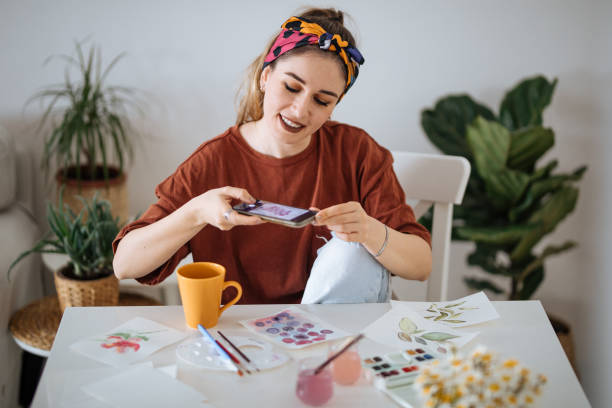
Life in 2026 is fast, noisy, and, let’s be honest, sometimes a little soul-draining. Between work emails, social media scrolls, and endless responsibilities, it’s easy to forget how to just… enjoy life. That’s where hobbies come in. Not just “fun time,” hobbies are scientifically linked to improved mental health, creativity, and overall happiness. I personally rediscovered painting last year after a decade of ignoring “fun stuff,” and wow—my brain felt like it got a mini-vacation every time I picked up a brush.
Why Hobbies Matter
Hobbies aren’t just cute Instagram posts—they serve important purposes:
- Reduce stress and anxiety
- Boost problem-solving and creative thinking
- Improve focus and patience
- Provide a sense of accomplishment outside work
Even short bursts of hobby time can make a noticeable difference. Think of hobbies as mental stretching exercises—you don’t notice it immediately, but your brain gets stronger over time.
Creative Hobbies to Try
Some hobbies encourage innovation and creative thinking.
Painting or Drawing
Visual arts force your brain to think differently. I once tried sketching abstract shapes without worrying about results. At first, it looked chaotic, but after a few sessions, my imagination started running wilder, and I noticed creative ideas creeping into work projects.
Writing and Journaling
Writing isn’t just for aspiring authors. Daily journaling or creative writing lets you process emotions, explore ideas, and practice expression. Even a quick 10-minute free-write can clarify thoughts that otherwise clutter your mind.
Music: Playing or Listening Mindfully
Playing an instrument engages different parts of the brain and improves coordination. Listening actively to music can also boost mood and focus. I recently tried learning guitar chords online—it was clumsy, messy, and incredibly satisfying.
Crafting and DIY Projects
Knitting, pottery, or even simple home projects combine creativity with tactile engagement. There’s a special satisfaction in holding something you made with your own hands. Bonus: crafts can double as home décor gifts.
Active Hobbies That Boost Happiness
Physical hobbies aren’t just for fitness—they help creativity too.
Yoga or Pilates
Combining movement with mindfulness reduces stress, improves posture, and opens mental space for fresh ideas. I used to scoff at yoga, but after a few sessions, my focus and patience improved noticeably.
Hiking or Nature Walks
Fresh air and scenery help reset your brain. I once hiked a local trail on a weekend, and by the time I returned, I solved a nagging work problem I’d been stuck on all week. Movement and new perspectives go hand in hand.
Dance
Dance lets you express emotions without words and challenges coordination. Even just learning TikTok-style moves at home can boost energy and laughter.
Low-Commitment Hobbies That Still Make a Difference
Not everyone has hours to dedicate. Quick hobbies can still make an impact.
- Puzzle games: Sudoku, crosswords, or brain teasers
- Cooking new recipes: Creative and delicious
- Photography: Capturing moments hones observation skills
- Gardening: Tiny indoor plants or herb gardens offer tactile satisfaction
I once started with just a tiny basil pot on my windowsill. Caring for it became oddly meditative, and I felt a sense of accomplishment every time I used it in a meal.
Social Hobbies
Some hobbies double as social boosters.
- Book clubs
- Team sports or running groups
- Language learning with conversation partners
- Board game nights
Even introverts benefit from social hobbies—they provide meaningful connection without work-related stress. I joined a small weekend board game group and noticed my mood improved for days after.
Benefits You’ll Actually Notice
Hobbies don’t just fill time—they transform your mental state. People who engage in hobbies often report:
- Reduced anxiety and stress
- Increased problem-solving skills
- Greater patience and persistence
- A stronger sense of personal identity
I noticed subtle changes in my work, too. Creative hobbies often led to unconventional solutions or fresh perspectives I wouldn’t have thought of during a normal workday.
Tips for Incorporating Hobbies Into Busy Life
- Start small: even 10–20 minutes a day counts
- Choose hobbies that genuinely interest you, not what looks trendy
- Don’t aim for perfection; enjoy the process
- Mix active, creative, and social hobbies for a balanced experience
- Treat hobby time as non-negotiable—like an important appointment with yourself
Final Thoughts
Hobbies are more than just entertainment—they’re essential for mental well-being, creativity, and happiness. The key is intentionality: choose activities that spark joy, challenge your brain, and give your mind a break from routine. Over time, the cumulative benefits will be obvious—you’ll feel calmer, more creative, and more satisfied.
Whether it’s painting, hiking, cooking, or playing music, the best hobby is one that makes you forget the chaos of the world for a little while.