
Self-Driving Cars Are Closer Than You Think
I used to think autonomous driving was something out of The Jetsons—like, flying cars with robotic chauffeurs. But here we are in 2026, and honestly, self-driving tech is creeping into our lives faster than I expected. Some cars already handle traffic, lane changes, and even parking themselves, which sounds amazing… until you realize the software sometimes decides it hates a pothole more than you do and brakes for no reason. I’ve had a few rides where the car freaked out over a harmless plastic bag in the road, and yes, it was equal parts terrifying and hilarious.
The point is, autonomous driving isn’t sci-fi anymore. It’s here, it’s messy, and it’s evolving fast. Every year, these systems get smarter, and you start to imagine a day when humans are optional behind the wheel.
How Autonomous Driving Actually Works
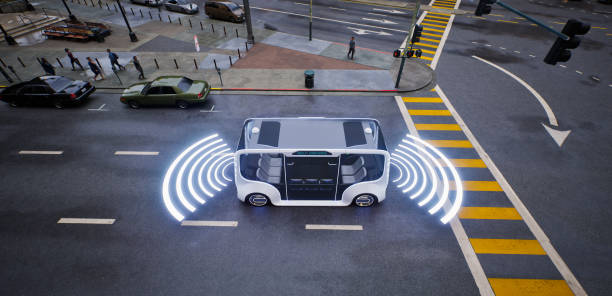
Most people don’t realize how much is going on behind the scenes. These cars rely on a cocktail of cameras, radars, sensors, and insanely detailed maps. And then there’s AI, constantly learning from traffic patterns, weather, and human behavior. It’s like having a student who never sleeps, never complains, but also has a tendency to overthink a left turn sometimes. I’ve chatted with a friend whose car “refused” to cross a small bridge because the AI detected a shadow it thought was a pedestrian. True story.
What’s wild is that these cars are not just reacting—they’re predicting. They anticipate what a jaywalker might do or when the car in the next lane is going to cut over. Honestly, it’s kind of spooky how good it’s getting.
Levels of Autonomy You’ll See
If you’ve read about autonomous driving, you’ve probably heard about levels 0 through 5. Here’s the gist: most cars on the market today hover around level 2 or 3. That means the car can steer, accelerate, and brake on its own in certain conditions, but you still have to pay attention. Full autonomy, level 5, is still a ways off—cars that need absolutely no human input, anywhere, anytime. But companies are testing it in controlled areas, and it’s honestly fascinating to follow online chatter about beta testers taking their fully autonomous cars to airports or city centers. People love posting videos of their cars “driving themselves” like it’s a magic trick.
Benefits You’ll Actually Notice
Okay, so why should you care beyond geeky curiosity? Autonomous driving promises some real benefits. First, safety. Most accidents are caused by human error, and if AI can handle traffic better than the average driver, fatalities could drop. Second, traffic flow. Cars talking to each other could reduce jams, which is amazing if you’ve ever spent 45 minutes crawling to work in a parking lot disguised as a highway. Third, accessibility. People who can’t drive due to age or disability might regain independence. My grandma would lose her mind if she could just hop in a car and let it handle the rest while she knits in the back seat.
Challenges and Weird Moments
But it’s not all smooth sailing. Autonomous cars still get confused by construction zones, unusual weather, or just weird objects on the road. Some Reddit threads are full of people sharing “AI freak-out” moments—cars refusing to drive over wet leaves, stopping for non-existent pedestrians, or taking the scenic route to avoid potholes. It’s charming, but also a reminder that we’re not at perfection yet. And don’t get me started on ethical dilemmas—like, who’s responsible if a self-driving car makes a bad call? Lawyers are already sweating over that one.
The Social Side of Self-Driving Cars
One thing people forget is how social this tech is. Cars can communicate with each other and, in the future, with infrastructure—traffic lights, road signs, even your smartphone. Imagine a car slowing down because it knows the intersection up ahead is busy, or rerouting automatically if there’s an accident. I’ve seen videos online where entire convoys of self-driving trucks move together almost like a digital herd. It’s kind of beautiful, if you ignore the occasional glitch.
When Will This Be Normal?
Honestly, the timeline is messy. Experts argue a lot about when fully autonomous cars will be common. Some say the next 5–10 years, others are more cautious. My guess? Level 4 autonomy (highly automated but limited to certain areas) will probably be everywhere in big cities within the decade. Level 5, where cars truly never need human input, might still be another 10–15 years away. But even that is exciting—because the technology is advancing so fast that surprises are inevitable.
A Day in the Life with Self-Driving Cars
Imagine waking up, hopping into your car, telling it where to go, and spending the ride checking emails, making coffee, or just scrolling through memes. No stress about traffic lights, no road rage, no honking at that guy who cut you off (okay, maybe some satisfaction lost there). That’s the vision companies are selling, and honestly, it doesn’t sound bad. I even tried a short autonomous ride recently, and while I was tense at first, by the end I was low-key impressed and slightly addicted to letting the AI handle the boring stuff.
Disclaimer
I’m not a professional driver or a tech expert. This article is based on casual observations, personal experiences, and online chatter. Autonomous driving is evolving fast, and safety or legal standards can vary. Always follow manufacturer instructions and local laws.
Looking Ahead
The future of autonomous driving is messy, exciting, and unpredictable. Cars are learning, roads are adapting, and people are slowly getting used to sharing space with machines that think faster than we do. There will be glitches, surprises, and probably some funny viral moments along the way. But if you love cars, tech, or just imagining what the roads might look like in 10 years, this is a ride worth paying attention to.