

This shift has changed how dental practices attract and retain patients. Clinical expertise remains the foundation of every successful practice, but expertise alone is no longer enough if potential patients cannot find it. A practice may provide exceptional care, advanced treatments and outstanding customer service, yet still struggle to grow because its online presence fails to reflect those strengths.
Modern patient acquisition is therefore less about convincing people to choose dentistry and more about ensuring they discover the right practice at the exact moment they need treatment. The practices that consistently achieve this understand that visibility, credibility and communication all work together to influence patient decisions.
Patients Search With Immediate Intent
Unlike many other industries, people searching for a dentist are often looking for a solution rather than browsing out of curiosity. They may have a broken tooth, be considering cosmetic treatment or simply want a reliable family dentist closer to home. Whatever their reason, they expect to find clear, trustworthy information quickly.
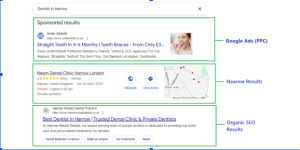
This is why online visibility has become such an important part of practice growth. Appearing in front of the right audience at the right time creates opportunities that traditional advertising cannot always provide. Many practices invest in dentist google ads because paid search campaigns place their services in front of people who are actively looking for dental treatment rather than waiting for them to discover the practice by chance.
However, visibility alone is not enough. Once a patient clicks, the website and messaging must reinforce confidence by presenting professional information, clear treatment options and an easy way to make contact.
Every Search Represents a Real Opportunity
Every online search tells a story. Someone looking for “emergency dentist,” “teeth whitening” or “dental implants” is already considering treatment. The question is whether your practice provides the reassurance needed to become their first choice.
Patients often evaluate several factors before making contact. They look for genuine reviews, understandable treatment information, transparent communication and a website that feels modern and easy to use. These details help shape their perception of the practice long before they meet the dental team.Successful online marketing for dentists focuses on supporting this decision-making process. Instead of simply increasing website traffic, it aims to create meaningful interactions that answer patient questions, reduce uncertainty and encourage enquiries from people who are genuinely interested in treatment.
When digital communication reflects the same professionalism patients receive in the clinic, trust begins developing before the first appointment is ever booked.
Visibility and Trust Must Work Together
Some practices invest heavily in advertising but overlook the experience patients have after clicking on an advert. Others have excellent websites but struggle because too few people ever discover them.
Long-term success comes from combining visibility with credibility. Patients need to find the practice easily, but they also need confidence that they are choosing experienced professionals who understand their needs.
A strong digital strategy usually focuses on several areas working together:
- Clear messaging that speaks to patient concerns.
- Fast-loading pages that are easy to navigate.
- Genuine reviews that reinforce trust.
- Helpful treatment information written in plain language.
- Straightforward contact options that make booking simple.
Each element contributes to a smoother patient journey and increases the likelihood that a visitor will become a patient.
Digital Marketing Is About Timing as Much as Technology
Technology continues to change the way people search for healthcare, but one thing remains consistent: patients value convenience. They expect relevant information to be available when they need it, whether they are searching during a lunch break, late in the evening or at the weekend.
Practices that understand this behaviour are able to position themselves where patients are already looking. Rather than interrupting people with advertising they did not ask for, digital marketing meets them at the exact moment they begin searching for dental care.This makes dentist google ads particularly valuable for practices looking to reach patients with immediate intent. When campaigns are planned strategically, they connect practices with people who are actively seeking treatment instead of relying solely on long-term brand awareness.
Combined with effective online marketing for dentists, paid advertising becomes part of a wider strategy that supports visibility, engagement and sustainable growth.
Looking Beyond the First Click
Winning a click is only the beginning of the patient journey. What happens next determines whether someone books an appointment or returns to the search results.
Practices that consistently attract new patients focus on creating an experience that feels reassuring from start to finish. Helpful content, professional branding, responsive communication and a simple booking process all contribute to stronger patient confidence.
Digital marketing should therefore be viewed as an extension of patient care. Every interaction before the appointment influences expectations and helps establish the relationship that will continue inside the practice.
Conclusion
The way patients choose a dentist has changed significantly, with online search becoming the starting point for many treatment decisions. Practices that combine strong visibility with a trustworthy digital experience are better positioned to attract the right patients and build lasting relationships. Ampli5 Dental helps dental practices achieve this through tailored digital marketing strategies that strengthen online presence, improve patient engagement and support sustainable practice growth.